

HomeAbout
Built from field work in Northern Nigeria.
Greenium Eco builds agricultural technology and clean cooking technology.
Why should cooking cost a family its health?
That question started Greenium Eco. In much of Northern Nigeria, meals are cooked over open fires fuelled by firewood or charcoal. Women and children breathe the smoke, households spend time and money on fuel, and woodland is cleared to supply it.
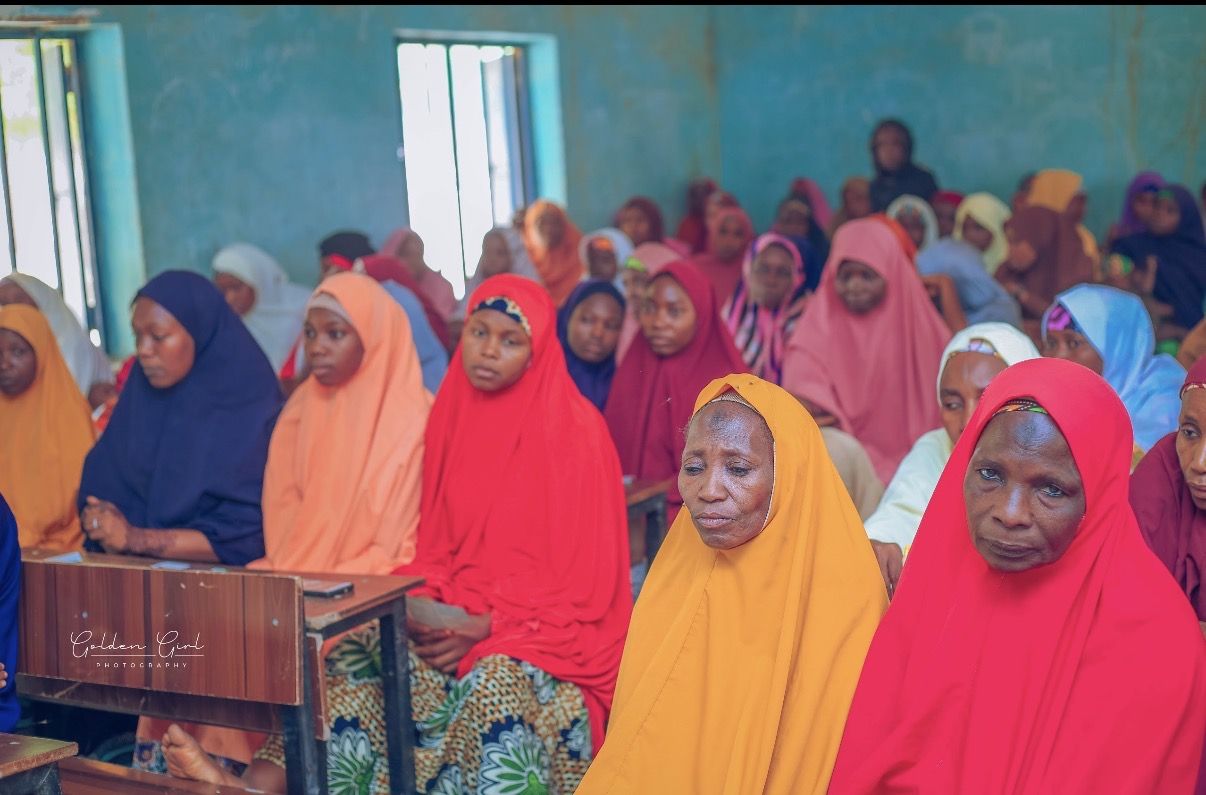
Our first response was practical: cleaner cookstoves, briquettes made from rice husks, groundnut shells, maize stalks and sawdust, and training for women in clean cooking and briquette making.
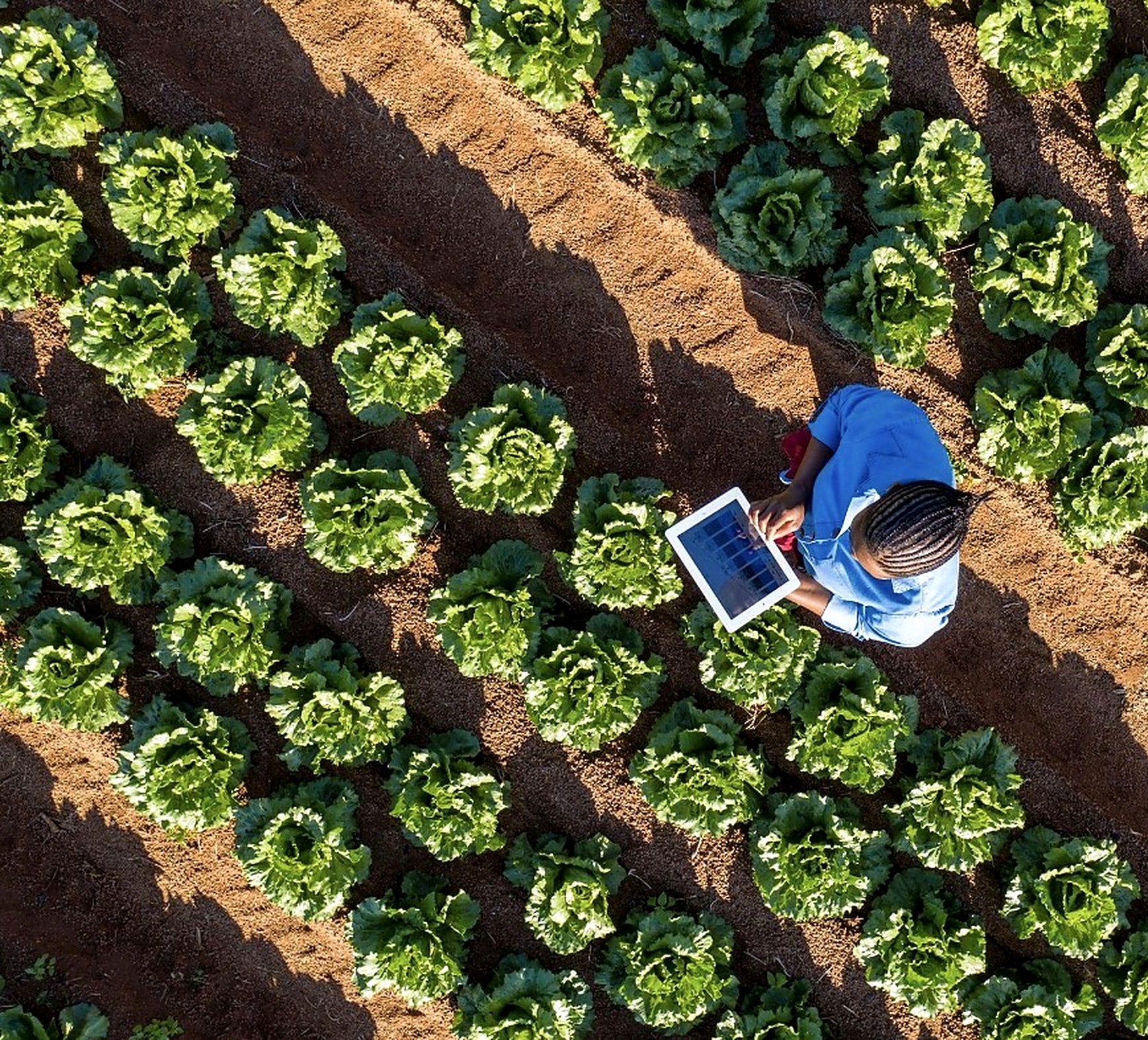
Working in these communities showed us that the same households also farm, and that farmers lacked reliable information about their soil, crops and weather. Greenium Eco now works through two divisions: Greenium AgriTech, which includes AgroTell, and Greenium CleanTech.
Fatima Kabir
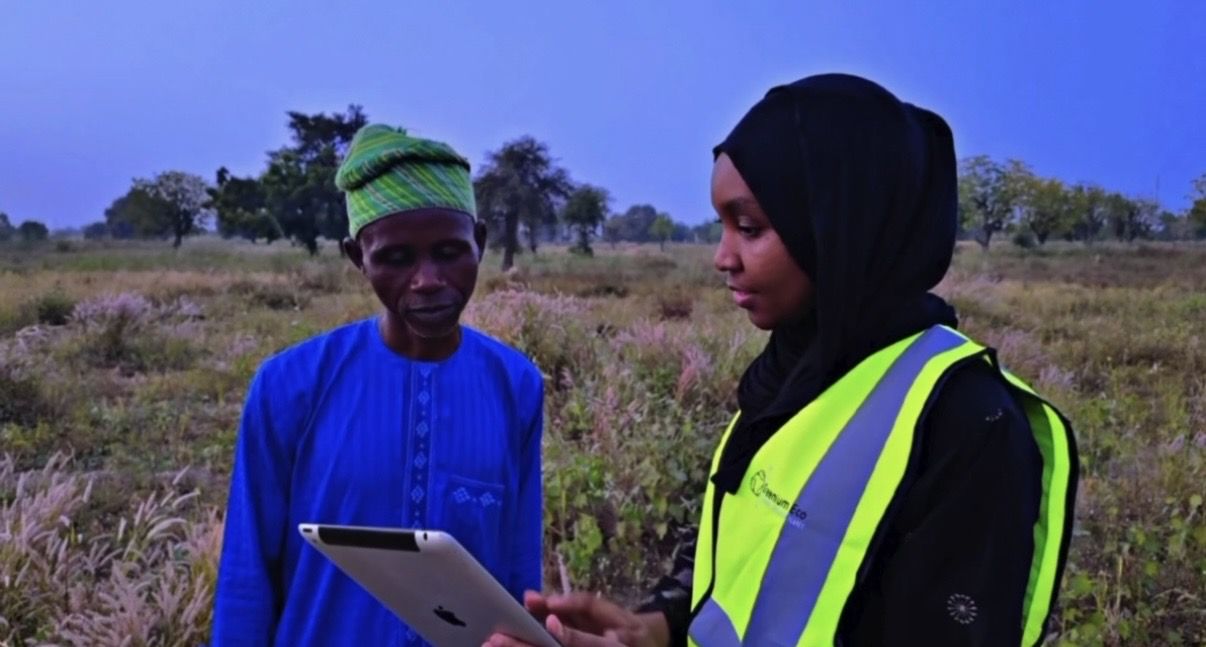
Fatima Kabir is an Information Technology graduate and sustainability entrepreneur from Northern Nigeria. Her work with rural women and smallholder farmers inspired her to establish Greenium Eco, where she combines technology, agricultural innovation and clean energy to develop practical solutions for underserved communities.
“I believe innovation should solve real problems and reach the people who need it most. At Greenium Eco, we are building practical solutions that make agriculture more sustainable, clean energy more accessible and rural livelihoods stronger.”
- Vital Voices Visionary (2024)
- Ban Ki-moon Centre 30 Under 30
- Legislative Mentorship Initiative, Cohort 4 (2025)
To develop accessible and practical solutions that advance sustainable agriculture, resource efficiency and environmental resilience.
Farming communities where technology, clean energy and good use of agricultural resources support better livelihoods and resilient food systems.
How we make decisions.
Practical innovation
We work on problems we have seen in the field and judge our products by whether people use them.
Sustainability
Our products should reduce pressure on forests and household budgets.
Community empowerment
Skills, income and ownership should stay with the communities we work in.
Collaboration
We work with researchers, development partners, government and farmers’ groups.
Accountability
We report figures we can verify and state clearly what is still in development.
Inclusion
We design for women, low-literacy users and areas with poor connectivity from the start.
From field problem to working product.
Start with a field problem
Projects begin with issues raised by the women, farmers and community groups we already work with.
Build locally
Where possible we design and make products locally, using materials such as crop residues.
Test with users
New products are piloted with households and farmers’ associations before wider release.
Train and support
Training comes with every product, so people can use, maintain and earn from it.
Measure and report
We track distribution, training and usage, and publish only figures we can substantiate.
Scale through partners
We work with partners to take proven solutions to more communities.
Leadership
Fatima Kabir
Founder and Chief Executive Officer
Agricultural innovation and sustainability entrepreneur. BSc Information Technology, with more than five years of community programme work with rural women farmers.
Hassan Said Baba
Chief Operating Officer
Biofuel researcher and renewable energy scientist with more than four years of experience in project management and business development.
The goals our work supports.
Our clean cooking and agricultural technology work contributes to seven of the United Nations Sustainable Development Goals.


Talk to us.
Tell us about your organisation and what you have in mind, and our team will reply by email.